

 Product Category
 ZenMarketについて
 海外配送
海外配送 Campaign Information
 official app
 0120-354-038




2026.08.20 column
How to make honey pickled lemons | Nutritional information, storage methods, and also introduces useful recipes.
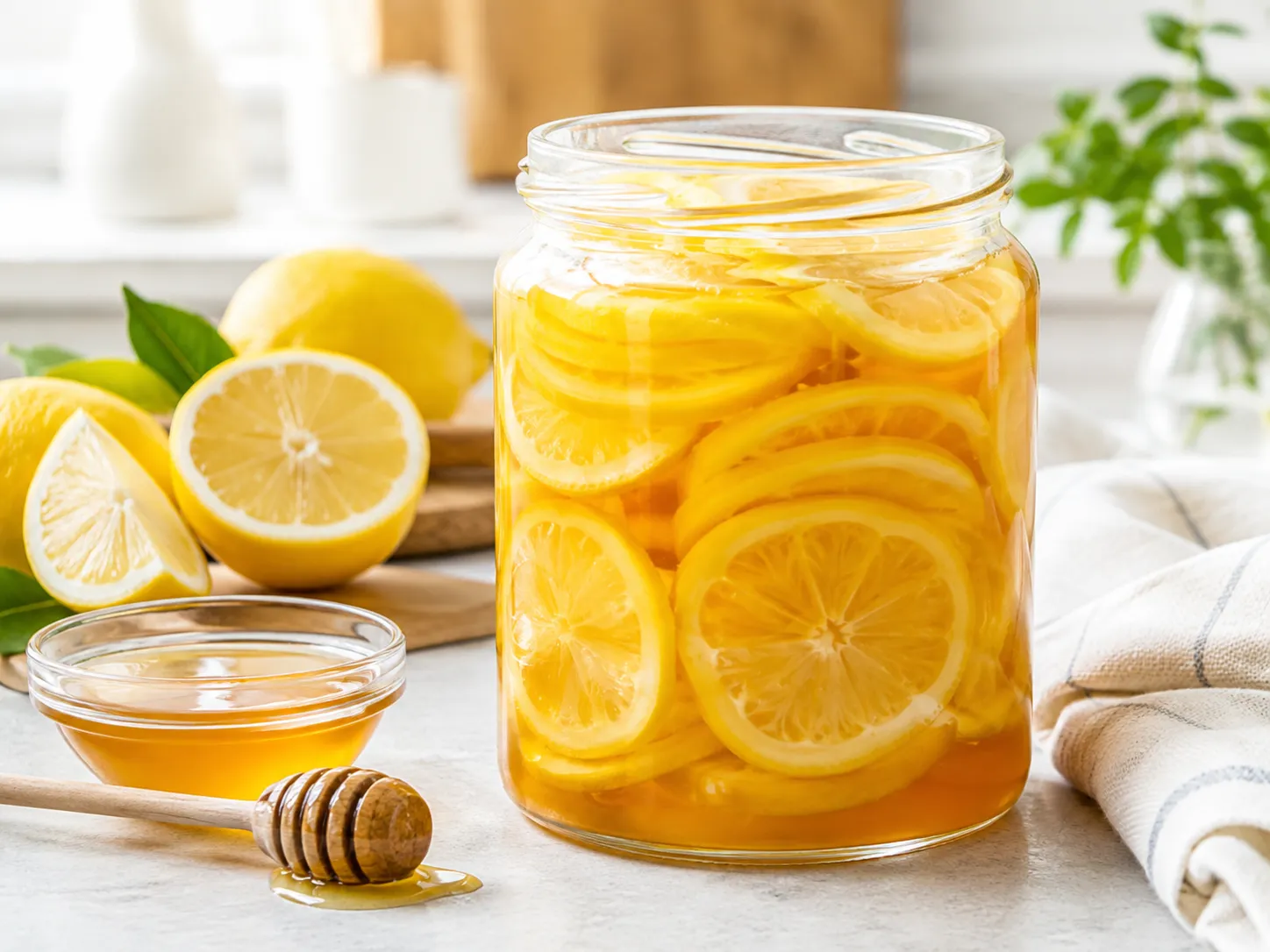
Honey-preserved lemons are an easy-to-make recipe that allows you to enjoy a refreshing sourness and gentle sweetness.
By combining lemon, which contains vitamin C, with honey, it can be widely used as an accent in drinks, yogurt, and cooking.
The method is simple: just place sliced lemons and honey into a clean jar and let them steep.
Making it at home allows for easy adjustments to sweetness and the thickness of lemon according to your preferences, making it easier to incorporate into daily meals.
This article will clearly introduce the basic method of making it, tips for shelf life and storage, and creative recipe variations.
Let's try using homemade lemon honey preserves, which are easy to make, in drinks and cooking.
Nutrients of honey and lemon.
The reason lemon honey preserves are cherished as an easy storage recipe is due to the components contained in both lemon and honey, as well as the enjoyment of their refreshing sourness and mellow sweetness.
Knowing these characteristics will broaden the ways you can incorporate them into drinks and dishes.
Nutrients of lemon
Lemons contain vitamin C, citric acid, and limonene.
Lemon juice contains 50mg of vitamin C per 100g, making it one of the easy-to-incorporate ingredients in daily meals compared to the recommended daily intake for adults.
Citric acid is known as a component related to the characteristic sour taste of lemons.
Due to its refreshing flavor, it becomes easy to use in drinks and dishes when combined with honey.
Additionally, lemon peel contains a fragrant component called limonene, and the characteristic of honey-pickled lemons, which use the whole fruit, is that you can enjoy not only the juice but also the aroma and slight bitterness.
Honey Nutrients
Honey is a natural sweetener primarily composed of glucose and fructose.
It has a mellow flavor that differs from white sugar, softening the acidity of lemon while adding a gentle sweetness.
Additionally, honey contains trace amounts of minerals and polyphenols.
The components and flavors vary by type, and it is also a characteristic that the taste differs depending on the type of flower and its origin.
Honey is a sweetener that is easier to perceive as sweet compared to white sugar, making it easy to add in small amounts to drinks, yogurt, and cooking.
By combining it with lemon, the balance of acidity and sweetness is achieved, making it easier to incorporate into daily meals.
The nutrition and appeal of honey-pickled lemons.
By combining lemon and honey, a balance of refreshing acidity and mellow sweetness is achieved, making it easy to use in drinks and dishes.
Here, we will introduce the components of honey-pickled lemons and the reasons why they can be easily incorporated into daily meals.
easy to incorporate during break times and after exercise.
Honey is a sweetener primarily composed of glucose and fructose.
The refreshing sourness of lemon combined with the gentle sweetness of honey creates a taste that is crisp and easy to drink.
You can enjoy it mixed with water or carbonated water, making it perfect for hydration during work breaks, after exercise, or after a bath.
Furthermore, if you want to add sweetness, adjusting the amount of marinated syrup makes it easier to tailor the flavor to your liking.
Easy to drink even in dry seasons.
By combining with the mellow sweetness of honey, it becomes easier to use in hot drinks.
Diluting it with hot water softens the sourness of the lemon, resulting in a flavor that is easy to drink during cold seasons or when dryness is a concern.
As a warm hydration option during the cold season, it can be easily incorporated when you want to refresh yourself or take a moment to relax.
Furthermore, the sweetness and acidity can be adjusted by the amount of syrup and lemon used.
Easily incorporate lemons containing vitamin C.
Lemons contain vitamin C and are an ingredient that can add a refreshing sourness to daily meals.
The recommended daily intake of Vitamin C for adults is set at about 100 mg.
When soaked in honey, the mellow sweetness of the honey softens the sourness of the lemons, making it easier to pair with drinks and yogurt.
Easy to enjoy after meals or for a change of pace.
Honey-preserved lemons are a preservation recipe that allows you to enjoy the refreshing sourness and aroma of lemons.
The mellow sweetness of honey softens the acidity, making it easy to drink even when mixed with water, carbonated water, or hot water.
It is easy to incorporate when you want to enjoy a refreshing taste after a meal or when you want to make a drink for a change of mood.
Basic method for making honey pickled lemons.
Here is how to easily make basic honey-pickled lemons with just two ingredients.
It's a simple process of just putting it into a bottle, so it should be easy for beginners.
Let's check the method below.
Ingredients (for an easy-to-make quantity)
- Lemons (it is recommended to use Made in Japan ones if using the skin) 2 pieces
- Pure honey 150 to 200g (enough to submerge the lemons)
1 clean storage container (glass bottle, about 500ml)
How to make it
Boil sterilize the glass storage jars and dry them thoroughly.
Moisture remaining can cause decay and mold.
Wash the lemon thoroughly and dry it well.
Cut off the stem and slice into thin rounds of 3 to 5 mm.
If there are seeds, please remove them.
Layer the lemon and honey alternately in the storage container.
Finally, pour plenty of honey to seal it so that the lemons do not float up.
It will be ready if left in the refrigerator for at least 1 day (preferably 2 to 3 days).
Points and tips for when making.
Thoroughly disinfect the bottles.
Keeping storage containers clean is key to making them last longer.
After boiling and disinfecting, make sure to dry thoroughly and ensure that no moisture remains.
Make sure to drain the water from the lemon.
Moisture makes it more prone to spoilage.
It is important to wipe with a paper towel or similar before slicing into rounds.
Use plenty of honey.
Pour generously so that the whole lemon is submerged in honey.
If lemons are easily exposed to air, it is advisable to cover them with food wrap or a lid to prevent air from entering, and to add honey if necessary.
How to choose ingredients to finish deliciously.
Even with the same recipe, the flavor, usability, and ease of preservation change depending on the ingredients used.
Here, we will introduce the key points for choosing lemons and honey.
Choose lemons that are easy to use with the skin.
When using lemons whole for honey pickling, it is important to check the origin and surface condition of the lemons.
Some Made in Japan lemons have fungicides and other chemicals used to maintain their quality during transport.
These are managed according to the standards of the Food Sanitation Act, but if you are concerned, it is advisable to choose Made in Japan lemons or lemons labeled as pesticide-free during the cultivation period.
If using Made in Japan lemons, wash them thoroughly under running water and, if necessary, scrub the surface with salt to make it easier to remove dirt.
Check the ingredient label when choosing honey.
Honey varies in ingredients and flavor depending on the product.
When using honey for lemon preserves, it is advisable to check the ingredient list on the label at the time of purchase and choose one that lists only 'honey'.
The addition of ingredients such as syrup and sugar can change the final sweetness and flavor.
If you want to bring out the natural acidity and aroma of lemon, using a simple type of honey makes it easier to balance the flavors.
Acacia Honey has a mild flavor and gentle sweetness, making it easy to use for those who are trying it for the first time.
In addition to Wild Flower Honey and Mandarin Orange Honey, the aroma and flavor vary depending on the type of flower, so you can choose according to your preference and enjoy the differences in taste.
Shelf life and storage methods
When making homemade lemon honey preserves, you can enjoy them while maintaining hygienic conditions by paying attention to the storage container and location.
By understanding how to choose storage containers and key points for refrigeration, you can minimize changes in flavor while making it easier to use everything up.
Here, we will explain the guidelines for shelf life and the precautions for storage.
Store in the refrigerator and consume as soon as possible.
Place it in a clean, sealable storage container and store it in the refrigerator.
The shelf life varies depending on the storage conditions, so it is best to consume it as soon as possible.
As the moisture from the lemon gradually blends with the honey, the flavor becomes milder over time.
When extracting, use a clean spoon and be careful not to let moisture or dirt enter the bottle.
After about a week to ten days, the lemon peels will start to develop a bitterness.
Therefore, if the bitterness is a concern, you can remove the pickled lemon slices first and store them in a separate container.
Signs of Decay and How to Distinguish Them
If any abnormalities are observed during storage, let's dispose of it without eating.
- There is a smell that is different from usual.
- Mold is occurring.
- There are obvious abnormalities in appearance or condition.
Honey is relatively easy to preserve, but it can become prone to spoilage when lemon juice is added.
Keeping storage containers and utensils clean is key to making food last longer.
Ways to use and recipe variations for honey-pickled lemons.
Honey-preserved lemons are a versatile recipe that can be used not only as is but also in drinks, dishes, and desserts.
By preparing in advance, you can add a refreshing sourness and gentle sweetness to your usual drinks and dishes.
enjoy as a drink
The most popular way to enjoy the syrup made from honey and lemons is to drink it as a beverage.
Hot Honey Lemon
Add 1 to 2 tablespoons of syrup to a mug, pour in 150 to 200 ml of water at 60 to 80°C, and stir.
This is a drink that is easy to enjoy during cold seasons or when you want to take a break with a warm beverage.
Vitamin C can decrease due to heat, so pouring boiling water directly can easily change the flavor. It is better to let it cool slightly before use.
Lemonade mixed with carbonated water
You can easily enjoy a refreshing lemonade-style drink just by mixing syrup with 100 to 150 ml of carbonated water.
It can be easily incorporated when you want to enjoy a refreshing taste after exercise or during hot seasons.
Add to black tea
By adding about one tablespoon of syrup to one cup of black tea, you will create a sweet lemon tea with the flavor of honey.
You can enjoy warm tea as a comforting drink during the cold season while also savoring the refreshing flavor of lemon.
Utilize in yogurt and breakfast.
You can enjoy a simple arrangement by just adding syrup to plain yogurt, which adds a sweet and sour flavor.
Finely chop the pickled lemon slices and mix them into yogurt to enhance the acidity and create a refreshing flavor.
It is an item that can be used as a topping for pancakes and toast, making it easy to incorporate into busy breakfasts.
Adding about a tablespoon of it to a smoothie made with sweet fruits like bananas and kiwis creates a refreshing arrangement that highlights the sweet and sour flavors.
It is easy to combine with fruits and yogurt, making it useful when you want to add variety to your breakfast.
Utilization in cooking and dressings.
The sweetness of honey and the acidity of lemon are a combination that pairs well with meat dishes.
When used as a marinade for chicken and pork, it adds a sweet and sour flavor, making the taste deeper.
When combined with olive oil and soy sauce, it can also be used as a refreshing salad dressing.
A salad with honey lemon dressing is an easy option to incorporate during hot seasons or when you want something refreshing.
Used for making sweets and desserts.
By diluting it strongly and setting it with gelatin, you can make a refreshing lemon jelly.
It can be widely used in making sweets, such as being mixed into pound cake and muffin batter, or used as a finishing syrup.
Using sliced lemons as a topping for the cake will result in a vibrant appearance.
Using it as syrup for shaved ice makes it easy to enjoy during hot seasons or when you want something refreshing.
Freezing syrup in an ice tray to create honey lemon ice cubes to add to drinks is also a visually refreshing arrangement.
Caution: Do not give to infants under 1 year old.
Honey may contain botulinum bacteria.
Infants under one year old do not yet have a well-established intestinal environment.
Therefore, there is a risk that botulinum bacteria may grow in the intestines, leading to infant botulism.
Do not give honey-based foods, including honey-preserved lemons, to infants under one year old.
Since risks cannot be avoided even when heated, it is necessary to be cautious with drinks and sweets containing honey.
Frequently Asked Questions (Q&A)
Honey-pickled lemons can vary in their final result and usability depending on the pickling time, the storage container, and the amount used at one time.
Here, we will organize points that beginners might find confusing in a Q&A format.
How many days should it be pickled before it is ready to eat?
If left in the refrigerator for about 8 to 12 hours overnight, it will be ready to eat.
Also, after leaving them for 2 to 3 days, the acidity of the lemons softens, and they change to a milder flavor.
As time passes, the flavor blends, so it is best to enjoy it at your preferred timing.
What is the guideline for how much to use in a day?
The amount to use at one time is approximately 1 to 2 tablespoons, and it is advisable to adjust it according to your preference.
Since honey contains sugar, it is advisable to incorporate it while considering its sweetness and the overall balance of your meals.
By using it gradually in drinks, yogurt, and dishes, it becomes easier to use while enjoying the changes in flavor.
Can it be made in Tupperware?
You can use airtight plastic containers, but glass storage containers that can be boiled are more suitable for lemon honey preserves.
To maintain flavor and storage conditions, it is advisable to use clean glass jars.
summary
Lemon preserved in honey is an easy preservation recipe that can be made with just two ingredients.
The refreshing acidity of lemon combined with the gentle sweetness of honey can be widely used in drinks, dishes, and desserts.
When using the whole skin, it is advisable to choose Made in Japan lemons or lemons labeled as pesticide-free during the cultivation period, and to check the ingredient list before preparing honey.
It is also important to use clean storage containers and to consume the food quickly while storing it in the refrigerator.
Additionally, when you prepare it in advance, it becomes easier to add a refreshing flavor to your usual drinks and dishes.
However, since honey is used, please be careful not to give it to infants under one year old.
The honey specialty store 'SUGI BEE GARDEN' offers a variety of honey flavors, starting with Acacia Honey.
Those who want to choose honey for lemon honey preserves will find it easier to search for a bottle that matches their taste by comparing the differences in sweetness and aroma.
If you are looking for a honey that pairs well with homemade lemon honey, try finding your favorite honey at the official online shop of SUGI BEE GARDEN.
▶ SUGI BEE GARDEN Online Shop: https://www.0038.co.jp/ec/
Column Supervisor

Hirayanagi Essential Mr.
Title: Doctor of Medicine (University of Tokyo) / Master of Health Science (University of Tokyo)
Affiliation: Food Medical Research Institute, Representative and Director
Brief Biography
After completing the graduate program in Physiology at the University of Tokyo, they became a visiting researcher at the University of Parma in Italy, Harvard University, and the Massachusetts Institute of Technology, and then became an associate professor in Hygiene at Nihon University School of Medicine.
So far, I have served as a part-time lecturer at Nippon Sport Science University (Public Health / Occupational Health), Sano Nihon University Junior College (Public Health), and held positions as a director in the Japan Ergonomics Society, the Japan Society for Aerospace and Environmental Medicine, and the Japan Society of Clinical Hyperbaric Oxygen and Diving Medicine, as well as a councilor in the Japan Society of Hygiene and the Japan Society for Preventive Medicine Risk Management.
Currently, I am the representative and director of Food Medicine Research Institute.
Specialized field
- Special Environmental Medicine (Space Environment Physiology, Marine Environment Physiology, Occupational Health Science)
- Research on the health effects of food ingredients based on scientific evidence.
[Media appearances]
NHK 'Try It and Understand'
TBS Television 'The Doctor's The Stamp of Approval!'
TV Asahi 'Hayashi Osamu's Now is the Time! Lecture'
CBC Television "Health Capsule! Time for Vitality"
He has also appeared on many other programs, including MBS, TV Tokyo, and BS Fuji.
Supervision and Contribution Achievements
The Power of Honey (Housewives and Life Publishing Co.)
Magical Honey (Makino Publishing)
A special ginger recipe for body alignment (Natsume Publishing)
In addition, I have been featured in magazines, newspapers, and magazines about the health benefits of food.
He has contributed and supervised over 200 articles.
[Works]
The surprising effectiveness of sunbathing in cancer prevention - the astonishing power of vitamin D (Kodansha)
"Don't Get Sick! Ginger Green Tea Health Method (Published by Sanmark, Chinese version available)"
A longevity furikake created by a medical doctor (Sanmark Publishing)
Other specialized books include "Modern Life and Health" (Shinohara Publishing) and "New Edition of Hygiene Practice" (Nanzando), among others.
He has written many books on health and wellness.
[External link]
Food Medicine Research Institute Blog: http://h-and-w.jp/column/
My Best Pro Gunma Blog: https://mbp-japan.com/gunma/food-medicine/column/