

 Product Category
 ZenMarketについて
 海外配送
 Campaign Information
 official app
 0120-354-038





2024.12.18 column
What types of honey are there? Introducing their characteristics and how to choose
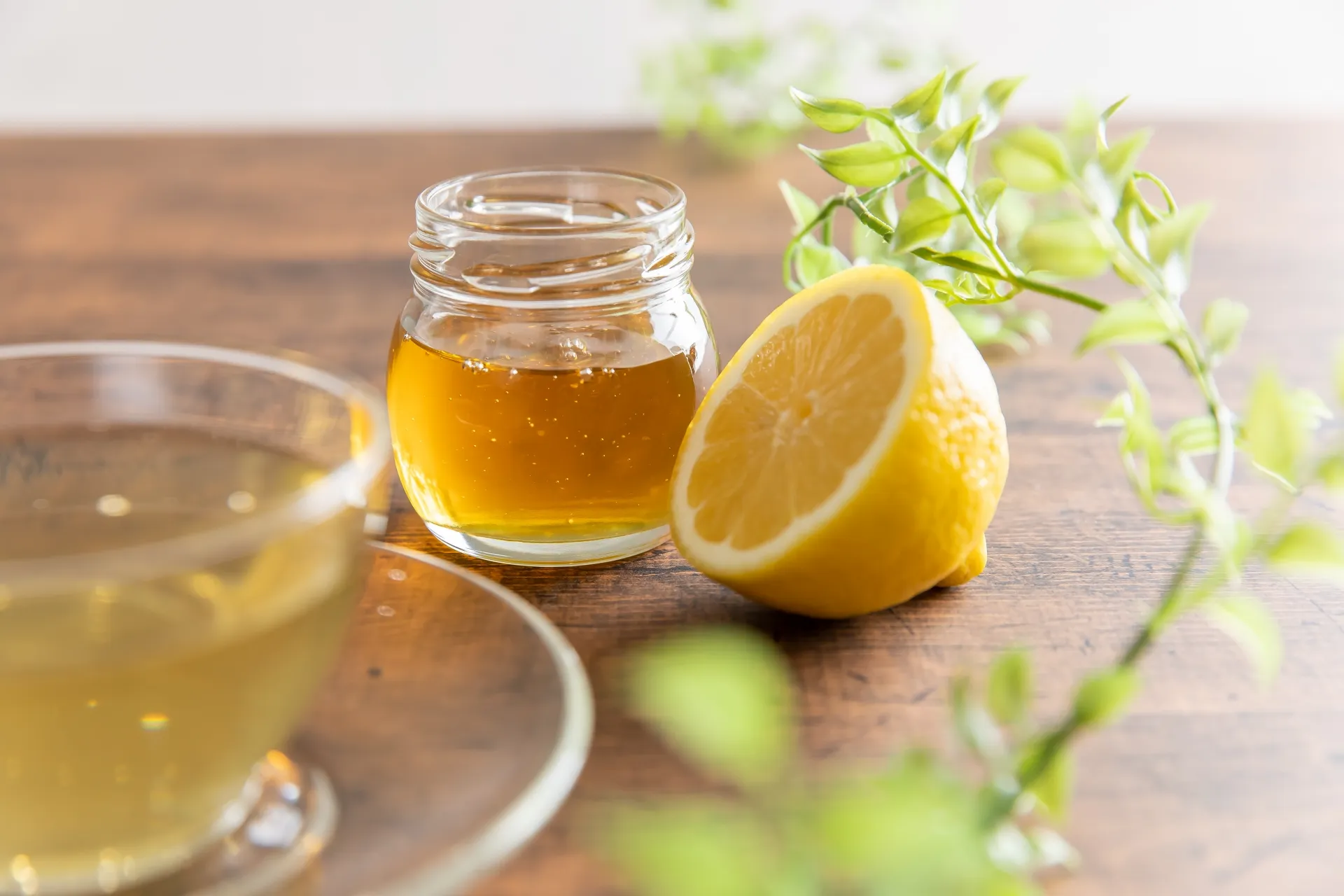
In recent years, honey has been gaining attention as it is not only delicious but also has health benefits.
Did you know that there are many different types of honey, each with a different taste and flavor?
This time, we will introduce the characteristics of each type of honey.
Please use this as a starting point when searching for the honey that's perfect for you.
How to separate honey depending on the type of flower that produces nectar
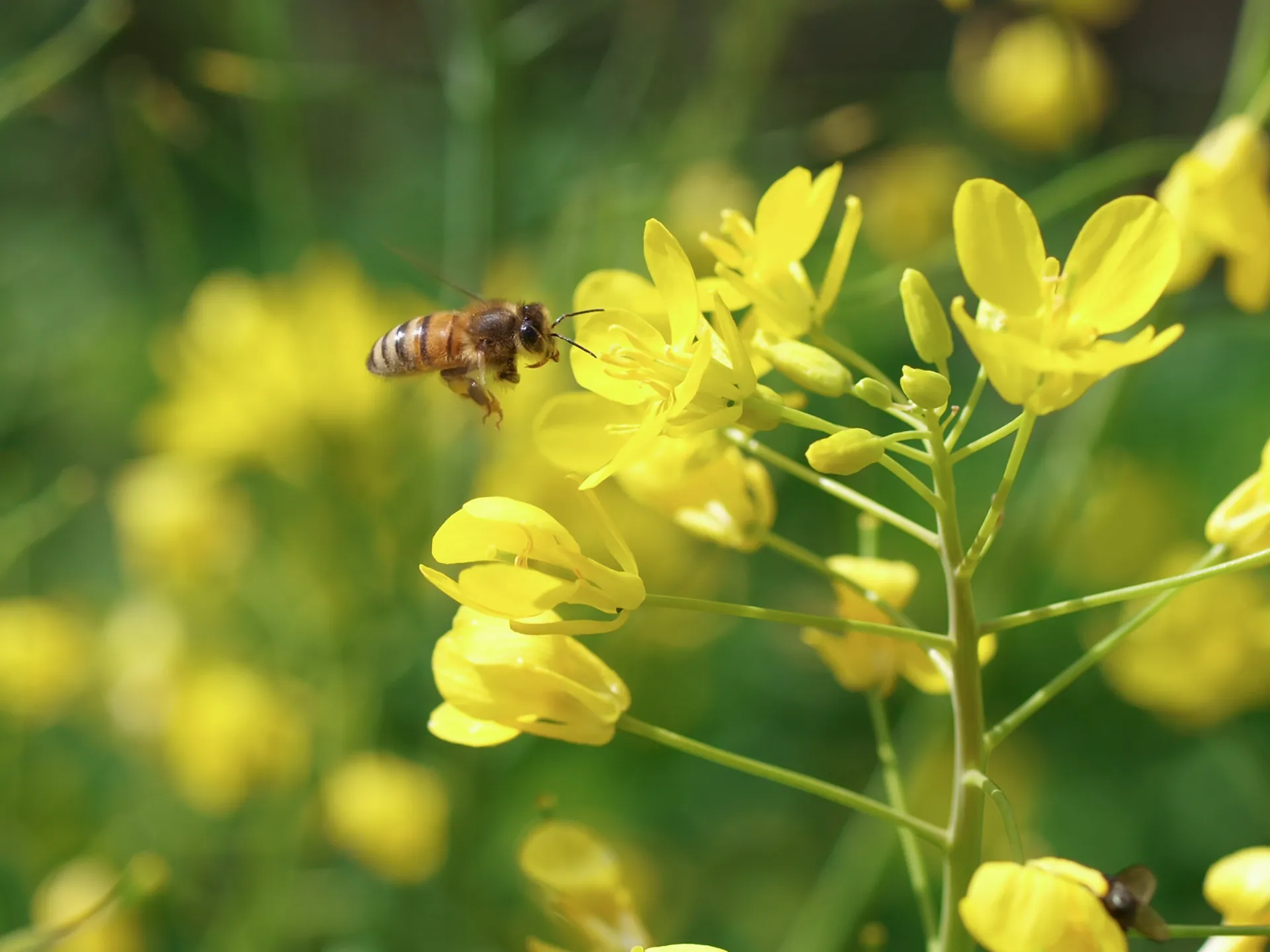
There are many different types of honey, but they can be broadly divided into two types: "monofloral" and "Wild Flower Honey.
So what is the difference between the two?
single flower nectar
Monofloral honey, as the name suggests, is honey made from the nectar of only one type of flower.
Although there are some slight differences depending on the time and place the nectar was collected, you can generally enjoy a consistent flavor for each type of flower.
Also, because a large amount can be harvested, it is cheaper than Wild Flower Honey described below.
Monofloral nectar is collected only by European honeybees, which are able to collect nectar from only one type of flower.
Wild Flower Honey
Wild Flower Honey is honey collected from various types of flowers, harvested from the hives of Western honeybees and Japanese honeybees. Because these bees have a habit of gathering nectar from different flowers little by little, the nectar from different flowers mixes together, resulting in honey with a rich flavor.
The types of flowers from which honey is harvested vary depending on the region and season, and these differences are reflected in the taste and flavor of Wild Flower Honey.
Made in Japan monofloral honey
From here, I would like to introduce each of the many different types of honey that exist in Japan and around the world.
This time, we have narrowed it down to monofloral nectar, which is relatively inexpensive, easy to purchase, and comes in a wide variety.
First, we would like to introduce 24 types of Made in Japan produced monofloral nectar.
Acacia honey
Acacia honey has no strong flavor and just the right amount of sweetness, making it easy for anyone to eat. For this reason, it is one of the most popular types of honey and is also known as the "Queen of Honey."
Because it has little to no distinct flavor, it can be used for a wide variety of purposes, such as on yogurt, on toast, in hot tea, and as a secret ingredient in cooking.
This is the perfect type of honey for beginners.
Milk vetch honey
Also known as the "king of honey," lotus honey is as popular in Japan as acacia honey.
Like acacia honey, clover honey, which has a gentle sweetness, mellow flavor, and deep richness, can be enjoyed in a variety of ways.
Of course it is delicious when eaten as is, but it is also recommended to use it as a secret ingredient in meat and fish dishes.
Buckwheat honey
Buckwheat is a food representative of Japan, and buckwheat honey, harvested from its flowers, is gaining popularity overseas, especially in France, as a high-quality honey.
Its most distinctive feature is its color and taste.
The honey has a striking dark brown color, a strong medicinal aroma, and a rich sweetness similar to that of brown sugar.
If you use it in French dishes such as galettes or spicy meat dishes, you can make the most of this distinctive flavor, so be sure to give it a try.
Featured products:Honey Specialty Shop SUGI BEE GARDEN | Made in Japan Buckwheat Honey (500g /bottle)
Mandarin Honey
Mandarin honey is honey extracted from the flowers of mandarin oranges, Japan's most famous citrus fruit.
It has a very light taste and a refreshing citrus aroma.
It also has a subtle mandarin orange flavor, so one way to enjoy it is to add it to tea as an accent.
Kihada honey
Kihada is a deciduous broadleaf tree in the Rutaceae family, and in Japan it bears small fruits about the size of blueberries in the summer.
The honey harvested from the flowers of this plant is characterized by its refreshing sweetness, making it easy to eat even for those who don't like things that are too sweet.
You can add it to coffee or tea, or use it in place of mirin to add shine to simmered dishes.
Linden honey
Speaking of fragrant honey, linden honey is a must-have.
When you put it in your mouth, you will taste the natural sweetness of honey followed by a strong herbal aroma.
In addition, it has a refreshing sensation similar to that of peppermint, and you can enjoy a very clean aftertaste.
It is recommended to mix it into sweets to add flavor, but it is also interesting to add it to tea to enjoy the flavor more directly.
Featured products:Honey Specialty Shop SUGI BEE GARDEN | Made in Japan Linden Honey (500g /bottle)
Wild rose honey
Wild rose honey is an elegant honey with a subtle rose scent.
The slight acidity behind the perfect sweetness adds an accent, giving it a light flavor.
Of course, you can enjoy it the classic way by dipping it in yogurt or buttered toast, but you can also mix it into milk tea when you want to take a break.
Lavender honey
Lavender is famous for its strong fragrance, which is why it is often used as an aroma.
The same rich fragrance is also inherited in lavender honey, and you can enjoy the floral herbal scent to your heart's content along with its rich flavor.
It goes well with dairy products such as ice cream or milk, but we also recommend adding it as a secret ingredient when making sweets.
Monofloral honey from overseas
Next, we will introduce monofloral nectar from overseas.
We found that there are many varieties found in Japan alone, but if we look overseas we can find even more monofloral nectar.
Clover Honey
One of the most popular honeys in the world is clover honey.
It has a clean, refreshing sweetness without any peculiar taste and a gentle, elegant fragrance, making it an all-purpose honey that can be used for any purpose.
It goes well with basically any dish, but adding it to black or herbal tea will enhance the aroma even more, making for a truly exquisite tea time.
Sunflower honey
In Japan, sunflowers can be seen blooming, but honey can only be harvested from them overseas.
Sunflower honey contains a lot of Pollen, giving it an interesting powdery texture. It has a strong sweetness and a refreshing aroma, and is delicious when poured over bread or cake.
Coffee Honey
Coffee honey is a type of honey that has a deep reddish-brown color, just like coffee.
It has not only a sweet taste but also a sour and bitter taste, giving it a refreshing and gentle flavor.
Also, the taste of honey varies depending on the region where the coffee is sourced, so be sure to find one that suits your taste.
Coffee honey is known as one of the most valuable honeys.
This is because coffee flowers only bloom for a short period of time, resulting in a very small amount of nectar that can be harvested.
Featured products:Honey Specialty Shop SUGI BEE GARDEN | Vietnamese Coffee Honey (200g/bottle)
Rosemary Honey
Once you put rosemary honey in your mouth, you will notice a refreshing herbal aroma.
It has a moderately elegant sweetness and a clean, mild aftertaste, making it perfect for those who prefer honey that isn't heavy.
It goes without saying that it goes well with black or herbal tea, but it also works great when used to eliminate odors in meat or fish dishes.
How honey is separated by processing method
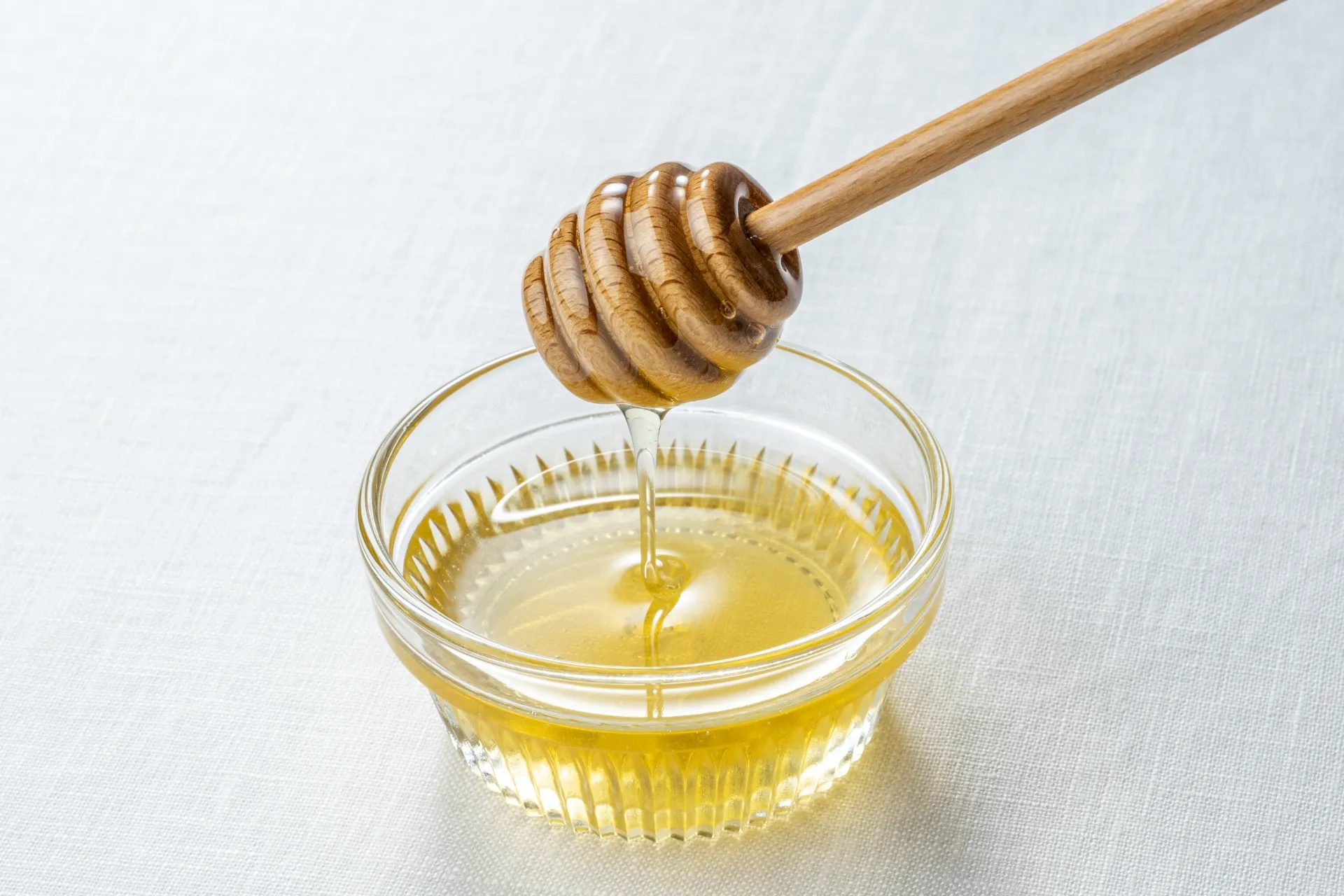
Honey can also be divided into two types depending on how it is processed into a product.
The differences between each processing method are as follows:
Pure Honey
Pure honey is honey that has not been processed by human hands and is in its original state when it is harvested.
Some products may only be heat-treated, but there is also "unheated honey" that does not even undergo this process.
This is honey in its natural state, collected by bees and then blowing the water away with their wings.
There is no other way to enjoy honey without losing its original flavor than honey in its natural state.
recommendation:Honey Specialty Store SUGI BEE GARDEN | Pure Honey List
Sweetened honey
Honey that has sugar or starch syrup added to it is called sweetened honey.
Although the color and some flavor have not changed much, the majority of the nutritional and health components have been lost.
However, the price is lower than pure honey, so it may be worth considering if you want to enjoy the flavor of honey easily.
How to Choose Honey
When you consider that types of honey differ not only by the type of flower that provides the nectar, but also by the processing method, it can be difficult to know what criteria to use to choose the right honey.
Here we explain how to choose the best honey for your lifestyle.
Select by the type of flower that is the nectar source
The first thing to consider when choosing honey is the type.
As we have introduced, the taste, aroma, and color of honey vary depending on the flowers from which it was harvested.
Some are very sweet, some are just sweet, some have a strong flavor, some are refreshing...the differences are too numerous to mention.
After understanding the characteristics of each type of honey, you'll want to choose the one that suits your taste.
Choose according to the ingredients
As we have mentioned several times so far, it is very important to choose a sake that will go well with the ingredients you will be pairing it with.
For example, if you are adding it to black or herbal tea, we recommend fragrant honey, which adds a rich flavor.
Specifically, this includes herbal honey such as lavender or rosemary honey, as well as fruity honey such as apple, mandarin, and other citrus honey.
There may be times when you pair it with ingredients that have a strong inherent flavor, such as cheese.
In such cases, it is best to choose honey with a strong flavor, such as buckwheat honey or chestnut honey.
Of course, one option is to choose a mild and universally appealing honey, such as acacia honey, with the expectation of combining it with various ingredients.
Choose according to the dish
Compatibility is also important when using it as a seasoning in cooking.
If you use honey with a strong aroma in meat or fish dishes, it will add richness while eliminating the fishy smell of meat or fish. If you are using it as an ingredient in a salad dressing, a slightly sour honey is best.
On the other hand, there are times when you may want to use it simply as a replacement for sugar or mirin, or to add a glossy finish without changing the flavor.
In such cases, honey, which is not too sweet and has a weak flavor, will play a key role behind the scenes.
In this way, by choosing the honey you use according to the characteristics of the dish you are making, you can maximize its potential. Related page: Honey specialty store | SUGI BEE GARDEN 's honey recipes
Choose by place of origin
In New Zealand, there is Manuka Honey, and in Hungary, there is Acacia Honey; thus, each country has a certain type of honey that is well-known.
So, once you have decided on the type of honey you want to eat, you might want to choose honey from a famous producing area.
Choose by texture
You may be thinking, "Honey with texture...?", but these days there is a type of honey called "Honeycomb" that is not liquid.
This is the part of a beehive that has been cut out from where the honey is stored.
It has a crunchy texture that you can't get with regular honey, allowing you to enjoy the honey like a candy.
If you want to try something a little different, give this a try.
Featured products:Honey Specialist Shop SUGI BEE GARDEN | Made in Hungary Honeycomb
Choose by container
Although it doesn't directly affect the taste, it's important to check the shape of the container it comes in.
If you use a bottle type with a pointed lid, you can dispense just the exact amount of honey you need onto bread or yogurt.
If you don't want the liquid to leak and become sticky after use, choose a container with a check valve.
While prioritizing convenience like this is one option, if you are sending it as a gift to a special person, it would also be nice to choose a luxurious bottle type.
Frequently asked questions about honey

Finally, here are three questions we frequently receive from customers about honey.
Before you buy honey, make sure you clear up any questions or concerns you may have.
Q. How long is the shelf life of honey?
A. If it is pure honey, it can be eaten without any problems for 2 to 3 years.
Due to its high sugar content, honey is generally not considered to spoil, and can be consumed without any problems within 2 to 3 years of purchase.
Even if the expiration date has passed, if it has been stored properly, it will not become inedible.
However, the flavor and taste will be compromised, so be sure to adhere to the expiration date if you want to eat it all while it's still tasty.
Also, if you put the spoon or fingers that you have put in your mouth into a container, bacteria can grow there, and even the honey can go bad.
When eating honey, it is important to always use a clean spoon and be careful not to get water or saliva into it.
Q. Can honey be stored at room temperature?
Yes, it can be stored at room temperature.
As mentioned above, pure honey has an extremely high shelf life, so as long as proper hygiene is maintained, it can be stored at room temperature without any problems.
Therefore, there is no need to refrigerate it.
In fact, storing it in the refrigerator should be avoided, as the sudden temperature change when taking it in and out of the refrigerator can even lead to crystallization, as described below.
Q. My honey has turned white and solidified. Is this a problem?
A. There are no problems in terms of quality or safety.
The white solidification of honey is due to the crystallization of the glucose contained in the honey.
The appearance and texture will change, but the quality will not have deteriorated, so it will not affect the quality of the honey. If you are still concerned, try boiling the honey in a container in hot water at about 40 to 47 degrees Celsius.
If you heat it while stirring with chopsticks, the crystallized honey should gradually dissolve.
You can also prevent honey from crystallizing by paying attention to the following points when storing it.
Points to Prevent the Crystallization of Honey
・Store in a place away from direct sunlight.
- Do not place the device near a refrigerator, microwave oven, or other devices that vibrate.
One of the causes of glucose crystallization is temperature changes.
As mentioned above, taking honey in and out of the refrigerator, as well as being exposed to direct sunlight, are conditions that can easily cause temperature changes. This is why honey needs to be stored in a place that is not exposed to direct sunlight.
In addition, crystallization can also occur when small vibrations are transmitted, so it is not recommended to place honey near electrical appliances that vibrate when in use.
Related articles:Why does honey harden and how can I fix it?
There are many different types of honey, each with its own distinct taste and flavor.

This time, we introduced the characteristics of the wide variety of honey available both in Japan and abroad, as well as how to choose them.
Honey is divided into two types: monofloral and Wild Flower Honey, with monofloral honey further classified according to the type of flower that provides the nectar.
Each type has a completely different sweetness, richness of flavor, and goes well with different ingredients and dishes, so it's important to try them all and choose the one that's right for you.
Honey specialty store | SUGI BEE GARDENWe carry a wide variety of honey, both domestic and international, including some of the ones we have introduced here.
We also have a shopping guide for first-time users, so if you are interested, please feel free to use our mail order site.
Column Supervisor

Hirayanagi Essential Mr.
Title: Doctor of Medicine (University of Tokyo) / Master of Health Science (University of Tokyo)
Affiliation: Food Medical Research Institute, Representative and Director
Brief Biography
After completing the graduate program in Physiology at the University of Tokyo, they became a visiting researcher at the University of Parma in Italy, Harvard University, and the Massachusetts Institute of Technology, and then became an associate professor in Hygiene at Nihon University School of Medicine.
So far, I have served as a part-time lecturer at Nippon Sport Science University (Public Health / Occupational Health), Sano Nihon University Junior College (Public Health), and held positions as a director in the Japan Ergonomics Society, the Japan Society for Aerospace and Environmental Medicine, and the Japan Society of Clinical Hyperbaric Oxygen and Diving Medicine, as well as a councilor in the Japan Society of Hygiene and the Japan Society for Preventive Medicine Risk Management.
Currently, I am the representative and director of Food Medicine Research Institute.
Specialized field
- Special Environmental Medicine (Space Environment Physiology, Marine Environment Physiology, Occupational Health Science)
- Research on the health effects of food ingredients based on scientific evidence.
[Media appearances]
NHK 'Try It and Understand'
TBS Television 'The Doctor's The Stamp of Approval!'
TV Asahi 'Hayashi Osamu's Now is the Time! Lecture'
CBC Television "Health Capsule! Time for Vitality"
He has also appeared on many other programs, including MBS, TV Tokyo, and BS Fuji.
Supervision and Contribution Achievements
The Power of Honey (Housewives and Life Publishing Co.)
Magical Honey (Makino Publishing)
A special ginger recipe for body alignment (Natsume Publishing)
In addition, I have been featured in magazines, newspapers, and magazines about the health benefits of food.
He has contributed and supervised over 200 articles.
[Works]
The surprising effectiveness of sunbathing in cancer prevention - the astonishing power of vitamin D (Kodansha)
"Don't Get Sick! Ginger Green Tea Health Method (Published by Sanmark, Chinese version available)"
A longevity furikake created by a medical doctor (Sanmark Publishing)
Other specialized books include "Modern Life and Health" (Shinohara Publishing) and "New Edition of Hygiene Practice" (Nanzando), among others.
He has written many books on health and wellness.
[External link]
Food Medicine Research Institute Blog: http://h-and-w.jp/column/
My Best Pro Gunma Blog: https://mbp-japan.com/gunma/food-medicine/column/