

 Product Category
 ZenMarketについて
 海外配送
海外配送 campaign information
 official app
 0120-354-038




2024.10.16 column
Explaining the pros and cons of continuing to eat honey

Honey is rich in nutrients.
"Some people might wonder, 'If I keep eating honey, could I live each day more vibrantly?' However, energy levels are a concern, aren't they? Therefore, this article will introduce the benefits and drawbacks of continuing to eat honey."
We will also tell you how to consume honey effectively without losing its nutrients, so if you want to live a healthy life every day, be sure to read to the end.

Honey Nutrients
First, let's look at the nutrients contained in honey.
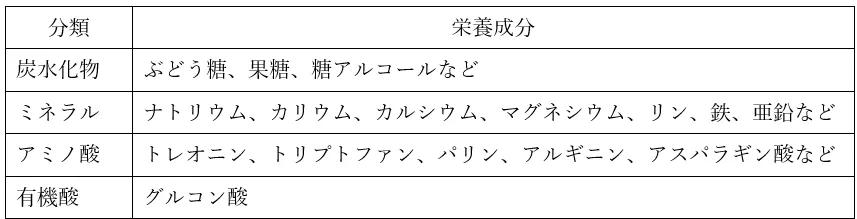
*Some trace amounts are included.
Among the nutritional components of honey, glucose and fructose, which account for 80%, are essential nutrients needed when the body is in motion.
It is essential when you want to be energetic and keep your mind working.
Additionally, it contains minerals that help maintain skin condition and bodily functions. Honey is not only sweet and delicious, but it is also a food that contains a balanced array of nutrients necessary for maintaining a healthy body.
Reference source:Ministry of Education, Culture, Sports, Science and Technology "Food Composition Database"
Benefits you can expect from eating honey regularly

Honey, which is rich in nutrients necessary for a healthy life, is sometimes called the "perfect food." What kind of benefits can you get from eating honey every day?
Here are some of the benefits you can expect from eating honey regularly:
Benefit 1: Supports a healthy everyday life
The main components of honey, glucose and fructose, are nutrients that serve as a source of daily vitality.
Glucose and fructose are types of sugars known as "monosaccharides," and when they enter the body, they are absorbed within a few minutes, providing energy for the body and brain. Sucrose, the component of sugar, takes about 10 minutes to 1 hour to be absorbed, while the starch found in white rice takes 3 to 4 hours. Thus, monosaccharides are characterized by their lower burden during digestion compared to other types of sugars.
If you feel tired, try eating honey. It's the perfect way to replenish your energy after exercise or studying, or in between housework or work.
Related articles:A thorough explanation of the effects of Royal Jelly, the source of energy!
Benefit 2: Helps with nutritional intake
Honey contains a good balance of nutrients that are good for the body, so you can easily get nutrition while enjoying your meals. It has just the right amount of sweetness and a unique flavor, and can be enjoyed in a variety of ways, such as dissolving it in drinks or spreading it on bread. Trying to use honey instead of sugar, with a little ingenuity, may change your daily life.
By the way, it is said that honey has about three times the sweetness of white sugar when measured in the same volume.
Therefore, you can substitute 1 tablespoon of honey for every 3 tablespoons of white sugar.
This means that you can feel the sweetness of honey in smaller quantities than with sugar.
Honey also has a lower energy content, so if you're concerned about your figure, why not try incorporating it into your regular diet?
Benefit 3: Gives skin firmness
Firm skin makes you look younger, right?
Honey is also recommended for those who want to maintain firm skin forever.
Honey contains ingredients that help protect the skin's moisture and keep it healthy, supporting your daily skin care.
Benefit 4: You can live a refreshing life every day
If you continue to eat honey, your body will be cleansed from the inside out, allowing you to spend each day feeling refreshed.
The oligosaccharides and gluconic acid contained in honey increase beneficial bacteria.
And that's why good bacteria support our health.
Start by adding a tablespoon of honey to your breakfast and you'll have a fresh, clean-smelling morning.
Related articles:Manuka honey is great for your throat! Here are the benefits you can expect
Concerns about eating too much honey

Honey is good for the body and has many beneficial effects, so it's a food you'll want to eat every day, but you should be careful about how much you consume. Read on to find out what the disadvantages of eating too much honey are.
Disadvantages: It puts a strain on the liver
One of the main components of honey, fructose, is metabolized in the liver. Therefore, if consumed excessively, it can put a strain on the liver.
Some of the fructose is converted into glucose in the liver, but if the amount is too high, it turns into triglycerides and accumulates in the body. If triglycerides continue to increase, it may eventually lead to fatty liver. Fatty liver is a factor that worsens blood flow throughout the body, leading to various negative effects such as increased fatigue and shoulder stiffness.
However, as long as you don't consume too much honey, it won't put a strain on your liver and should help you live an active life every day.
Disadvantages: May cause abdominal pain
As mentioned earlier, honey is gentle on the stomach, but eating too much of it can have the opposite effect. If you consume too much of the sugar and gluconic acid contained in honey, you may have loose stools or experience stomach pain.
Some people may think of "botulinum bacteria" when they hear "eating too much honey gives you a stomach ache." Clostridium botulinum is a bacterium that is found in large quantities in soil, and may also be present in honey. Although botulinum bacteria can cause stomach aches, they are basically killed by the action of human intestinal bacteria, so it is unlikely that this is the cause of stomach aches.
However, infants under one year old have immature gut flora, which poses a risk of food poisoning from botulinum bacteria. Please remember that it is prohibited to give honey to children under one year old.
Related articles:Is honey dangerous? How to choose safe honey
Related articles:Explaining the conditions for those who should not eat Manuka honey and the reasons why
What is the appropriate amount of honey to consume?

So far, we have explained the benefits of continuing to eat honey and the disadvantages of eating too much.
That said, I'm sure there are many people who wonder, "What exactly is the appropriate amount?"
First of all, as a premise, there is no problem with eating honey every day.
However, the recommended daily intake is 1 to 2 tablespoons (20 to 40 grams). Exceeding this amount increases the likelihood of excessive consumption.
Related articles:Does eating honey make you gain weight? Here are some tips on eating it
Does honey help you lose weight? What is the "Honey at Night Diet"?
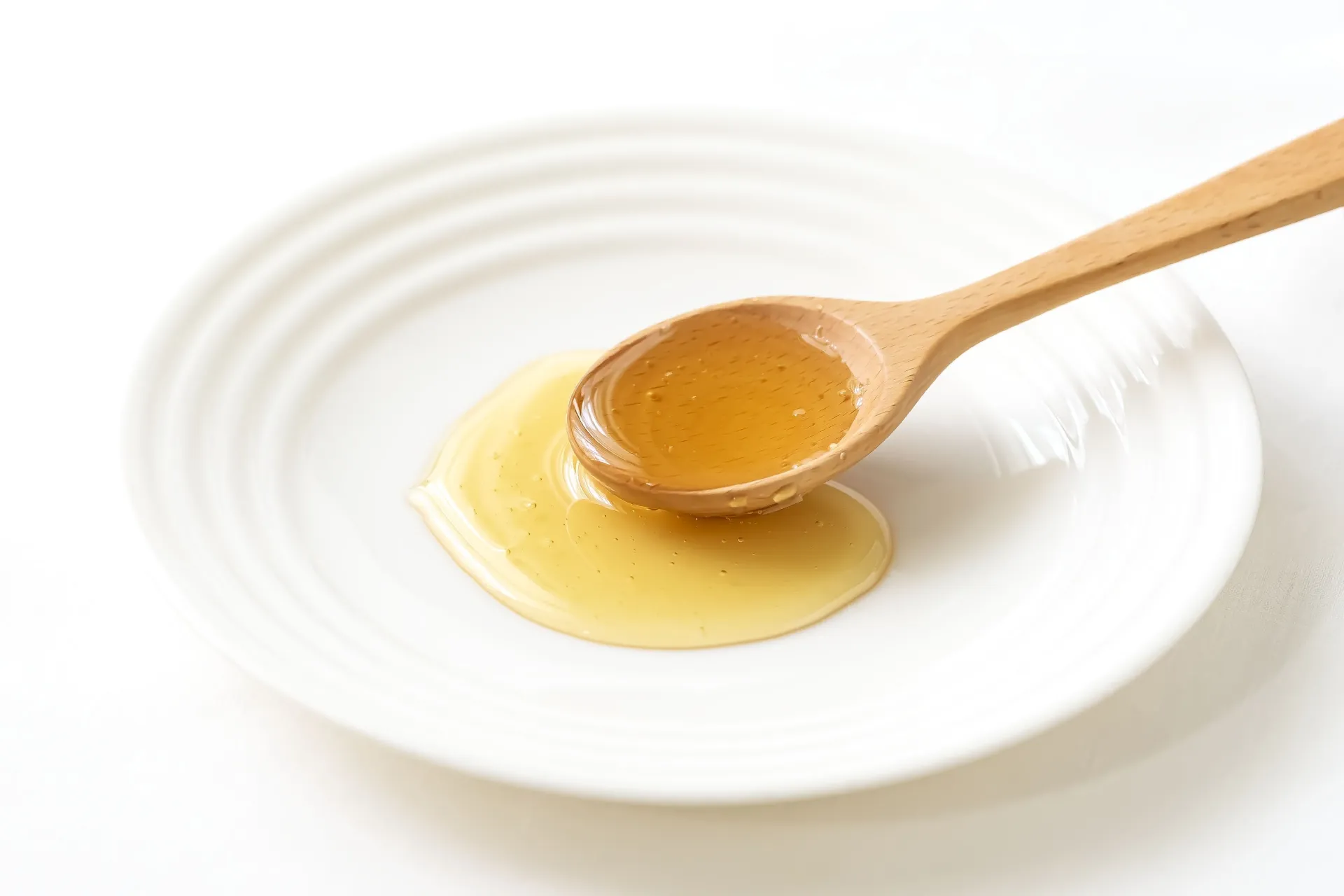
Have you ever heard that "eating honey before going to bed will slim your body line"? The "nighttime honey diet" has been talked about in various media and has become a hot topic. It is said that taking a tablespoon of honey before going to bed will support your diet.
Many people have used this method and have had success losing weight.
However, there are some rules for the nighttime honey diet, and you won't get any results if you continue doing it incorrectly. Let's take a look at those rules right away.
▼ Rules for the nighttime honey diet
Take 1 tablespoon of honey 30 minutes to 1 hour before bedtime.
・ Limit alcohol consumption
- Avoid foods high in carbohydrates and fats
- Take in plenty of vitamins and minerals
- Finish dinner at least 3 hours before going to bed
If you look at the rules above, you can see that it's not a magical method like "Just take honey before going to bed and you'll lose weight." Dieting requires effort to follow the rules and continue.
It is recommended that you lick the honey as is so as not to ingest any excess energy other than the honey.
How to effectively incorporate honey

If you're going to eat honey, you want to incorporate it into your daily life in the most effective way. Here are some points you shouldn't forget when incorporating honey into your daily life.
Tip 1: Do not heat
If you want to make sure you get all of the nutrients from honey, it's best not to heat it, as some of the nutrients in honey are reduced by heating.
The enzymes contained in honey are also sensitive to high temperatures and become inactive at temperatures above 60°C, losing their effectiveness. If you need to heat it, be careful not to exceed 60°C. It is also better to let honey cool a bit before adding it to drinks or milk.
There are also honey products that have been heat-treated and those that have not. If you want to enjoy high nutritional value and natural flavor, we recommend purchasing honey that has not been heat-treated.
Tip 2: Use it instead of sugar
An easy way to incorporate honey into your daily life is to use it as a sugar substitute.
Honey is said to be about three times sweeter than white sugar when measured in the same volume.
Therefore, you can substitute 1 tablespoon of honey for every 3 tablespoons of white sugar.
This means you can get the same sweetness with about 1/3 the amount of sugar.
This is a summary of the energy and sugar content of honey and other sugars.

Reference source:Ministry of Education, Culture, Sports, Science and Technology "Standard Tables of Food Composition in Japan (8th Revision) Supplement 2023"
Honey is sweeter than sugar and has a low energy content, which is a plus.
Moreover, while it is certainly possible to reduce energy intake, honey is also an excellent seasoning when you want to add natural sweetness and richness to your dishes. When using it in cooking, a good guideline is to use 7 to 8 grams of honey for every 10 grams of sugar. When making stews or dressings, be sure to try using honey instead of sugar. It will result in a different and delightful flavor.
Tip 3: Add to yogurt
Honey and yogurt are a good combination because yogurt contains many good bacteria such as bifidobacteria and lactic acid bacteria. The sugar in honey is an ingredient that supports these good bacteria.
Eating honey and yogurt together will help you feel refreshed every day. It is even more effective if you eat it with fruits that are rich in dietary fiber. Simply mix 1 tablespoon of honey with 100g of plain yogurt to make delicious, healthy "honey yogurt."
Add fruit if you like and enjoy.
Related articles:Introducing how to eat Manuka honey for its amazing health benefits
Related pages:Honey Specialty Store | Sugi SUGI BEE GARDEN Honey Recipes
Eat a moderate amount of honey to maintain a healthy lifestyle

This time, we explained the advantages and disadvantages of continuing to eat honey.
Honey contains nutrients such as sugars, which provide energy for physical activity, as well as vitamins and minerals that help maintain the body's condition. There is no doubt that it is a food that supports a vibrant daily life.
However, be careful not to overeat as this can put a strain on your body.
Please try to incorporate 1 to 2 tablespoons (20 to 40 grams) into your daily life.
Honey specialty store | SUGI BEE GARDENWe are involved in everything from raising bees to harvesting honey and selling it. We carry a wide range of handmade products, so if you are looking for delicious honey, please use our online store.
Column Supervisor

Hirayanagi Essential Mr.
Title: Doctor of Medicine (University of Tokyo) / Master of Health Science (University of Tokyo)
Affiliation: Food Medical Research Institute, Representative and Director
Brief Biography
After completing the graduate program in Physiology at the University of Tokyo, they became a visiting researcher at the University of Parma in Italy, Harvard University, and the Massachusetts Institute of Technology, and then became an associate professor in Hygiene at Nihon University School of Medicine.
So far, I have served as a part-time lecturer at Nippon Sport Science University (Public Health / Occupational Health), Sano Nihon University Junior College (Public Health), and held positions as a director in the Japan Ergonomics Society, the Japan Society for Aerospace and Environmental Medicine, and the Japan Society of Clinical Hyperbaric Oxygen and Diving Medicine, as well as a councilor in the Japan Society of Hygiene and the Japan Society for Preventive Medicine Risk Management.
Currently, I am the representative and director of Food Medicine Research Institute.
Specialized field
- Special Environmental Medicine (Space Environment Physiology, Marine Environment Physiology, Occupational Health Science)
- Research on the health effects of food ingredients based on scientific evidence.
[Media appearances]
NHK 'Try It and Understand'
TBS Television 'The Doctor's The Stamp of Approval!'
TV Asahi 'Hayashi Osamu's Now is the Time! Lecture'
CBC Television "Health Capsule! Time for Vitality"
He has also appeared on many other programs, including MBS, TV Tokyo, and BS Fuji.
Supervision and Contribution Achievements
The Power of Honey (Housewives and Life Publishing Co.)
Magical Honey (Makino Publishing)
A special ginger recipe for body alignment (Natsume Publishing)
In addition, I have been featured in magazines, newspapers, and magazines about the health benefits of food.
He has contributed and supervised over 200 articles.
[Works]
The surprising effectiveness of sunbathing in cancer prevention - the astonishing power of vitamin D (Kodansha)
"Don't Get Sick! Ginger Green Tea Health Method (Published by Sanmark, Chinese version available)"
A longevity furikake created by a medical doctor (Sanmark Publishing)
Other specialized books include "Modern Life and Health" (Shinohara Publishing) and "New Edition of Hygiene Practice" (Nanzando), among others.
He has written many books on health and wellness.
[External link]
Food Medicine Research Institute Blog: http://h-and-w.jp/column/
My Best Pro Gunma Blog: https://mbp-japan.com/gunma/food-medicine/column/